
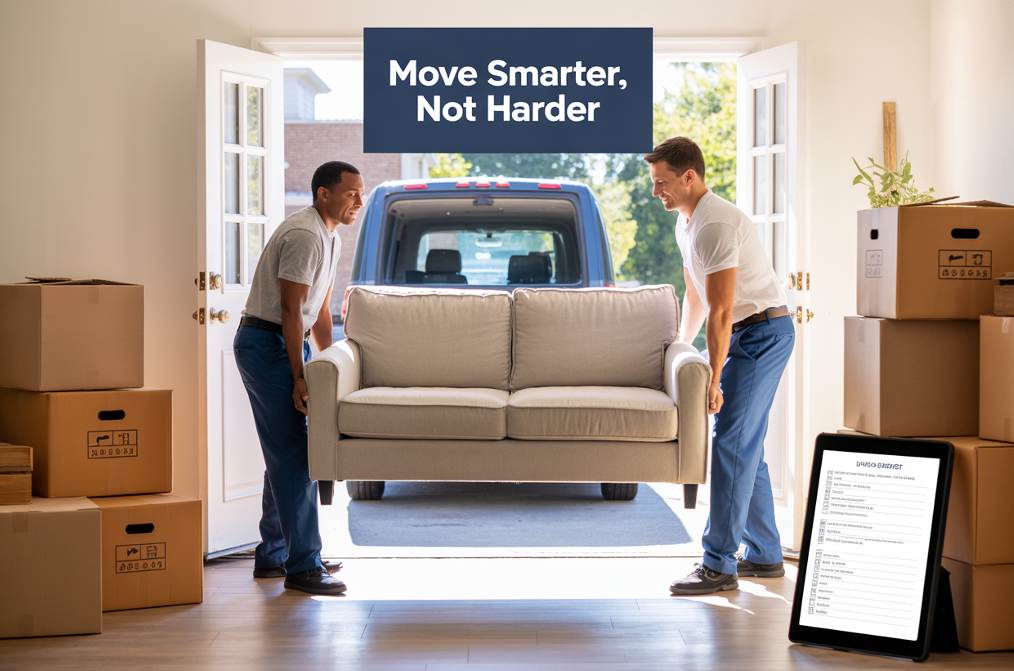
Ever tried moving a sectional sofa down three flights of stairs with just your roommate and a prayer?
Yeah, that backache lasted longer than your security deposit.
Moving doesn’t have to be a horror story. Whether you’re upgrading apartments or relocating your
business, Strong Movers handles the heavy lifting while you handle… well, literally nothing but pointing
where things go.
Our professional moving services in NYC have saved countless relationships, weekends, and lower
backs. No more bribing friends with pizza or underestimating how much stuff you actually own.
But what really makes a moving company worth your trust? It’s not just about muscle power (though
we’ve got plenty of that too). It’s about…
The Science Behind Smart Moving
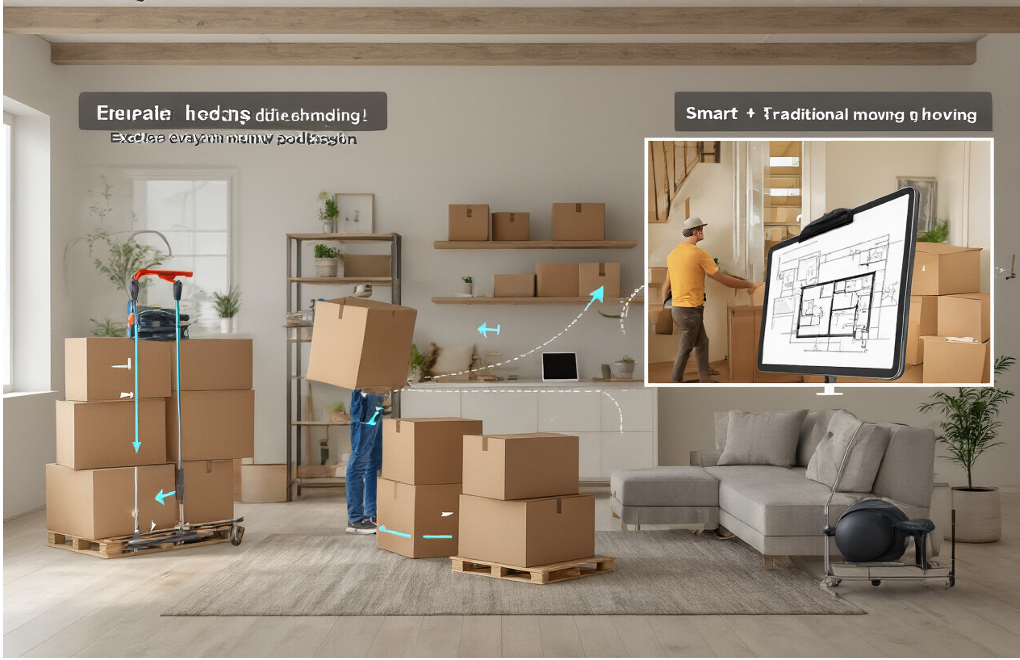
How Efficient Moving Saves Your Body
Moving doesn’t have to wreck your body. Think about it – the average household move involves lifting
hundreds of pounds of stuff, often repeatedly. That’s basically an intense workout without the proper
training.
When you move smart, you’re not just saving time – you’re saving your muscles, joints, and spine from
unnecessary strain. The difference between proper and improper lifting technique can be the difference
between a normal day tomorrow and a week of pain.
Most people don’t realize that efficient moving isn’t just about getting things done faster. It’s about
distributing weight properly, using momentum strategically, and knowing when to use tools instead of
brute force.
Your body will thank you when you:
- Take multiple trips with lighter loads
- Use dollies and hand trucks for heavy items
- Position your body correctly before lifting
- Take frequent breaks to let your muscles recover
Common Moving Injuries and How to Avoid Them
I’ve seen it all in the moving business – pulled back muscles, pinched fingers, twisted ankles, and the
dreaded herniated disc. These aren’t just minor inconveniences; they can sideline you for weeks or even
months.
Back injuries top the list of moving-related problems. About 80% of adults experience back pain at some
point, and improper lifting during a move is a major culprit. Then there’s the wrist sprains, shoulder
strains, and knee injuries that come from awkward movements with heavy objects.
Here’s how to dodge these bullets:
- Never lift with your back – use your legs
- Wear proper footwear with good grip and support
- Use gloves to protect your hands and improve grip
- Clear pathways before carrying anything
- Don’t try to be a hero – ask for help with heavy items
Ergonomic Lifting Techniques That Protect Your Back
Your back is basically the MVP of moving day, and you need to treat it that way. The right technique
makes all the difference.
Start by standing close to the object with your feet shoulder-width apart. Bend at your knees and hips,
not your waist. Keep your back straight – I tell clients to imagine their spine is a solid steel rod. Grip the
object firmly, tighten your core muscles (like you’re bracing for a punch), and lift by straightening your
legs.
For awkward items:
- Test the weight before fully lifting
- Hold items close to your body, not at arm’s length
- Pivot your feet instead of twisting your torso
- Use your forearms as a shelf when possible
Remember that proper body mechanics aren’t just for heavy stuff. The repetitive lifting of lighter boxes
adds up too. That’s why even professional movers follow these techniques for boxes of all sizes.
Professional Movers vs. DIY Approach
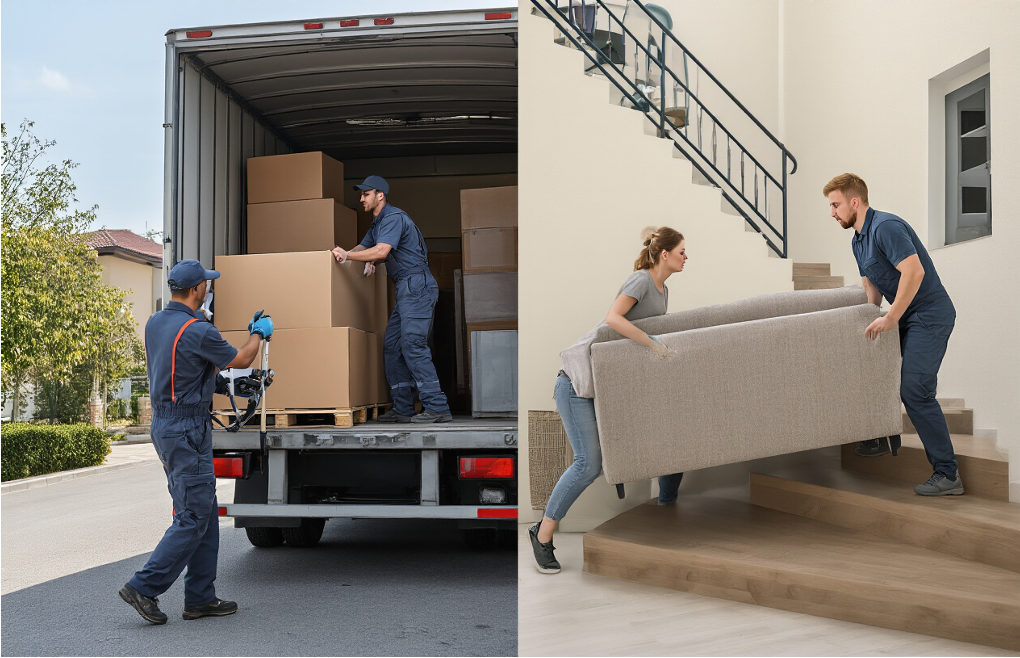
A. Cost Analysis: When Hiring Pros Actually Saves Money
The math might surprise you. DIY moving looks cheaper on paper, but hidden costs add up fast.
Think about it: When you go the DIY route, you’re paying for the truck rental, gas, packing supplies,
equipment rentals, and probably pizza and beer for friends who help. Not to mention potential costs from
damaged items when that bookshelf doesn’t quite fit through the doorway.
Professional movers like Strong Movers bundle everything into one predictable price. No surprise fees
halfway through your moving day.
B. Time-Saving Benefits of Expert Movers
Moving yourself means your entire weekend (or week) disappears. Professional movers can knock out in
hours what would take you days.
A three-bedroom home that might take you and friends 2-3 full days to pack, load, transport and unpack?
A professional team can often complete it in just 4-6 hours.
They’ve got the system down to a science:
- No wasted trips up and down stairs
- Efficient loading patterns that maximize truck space
- Teams that work in perfect coordination
- No stopping to figure out how to disassemble that complicated bed frame
Your time is valuable. Instead of spending a weekend sweating and straining, you could be handling
other moving-related tasks or simply enjoying your new neighborhood.
C. Stress Reduction Through Delegation
Moving ranks among life’s most stressful events. Right up there with divorce and changing jobs.
The mental load of coordinating a move is massive. You’re juggling deadlines, logistics, heavy lifting, and
endless decisions. Your brain gets foggy after hours of this stuff.
Professional movers take that weight off your shoulders. They handle the planning, heavy lifting, tight
doorways, and tricky staircases. No more lying awake at night wondering if you’ve forgotten something
critical.
And there’s something incredibly freeing about watching professionals efficiently pack your belongings
while you focus on other priorities. That peace of mind? Priceless.
Many customers report the biggest benefit wasn’t saving money or time – it was preserving their sanity
during an already challenging life transition.
D. Insurance and Liability Considerations
Here’s the scenario nobody wants to think about: your friend drops your grandmother’s antique mirror
while helping you move. Who pays for it? (Awkward.)
With DIY moves, you’re assuming all the risk. Your homeowner’s insurance might provide limited
coverage, but often with high deductibles and complicated claims processes.
Professional movers offer multiple layers of protection:
- Basic liability coverage (included free)
- Full replacement value protection (optional upgrade)
- Specialized insurance for high-value items
- Workers’ compensation for any injuries on the job
Plus, professionals have the training and equipment to minimize damage risk in the first place. They
know exactly how to wrap, pad, and transport items safely.
The bottom line? When accidents happen (and sometimes they do), having clear liability coverage
prevents both financial loss and relationship strain. And that’s something no DIY approach can match.
Essential Moving Equipment That Makes Life Easier
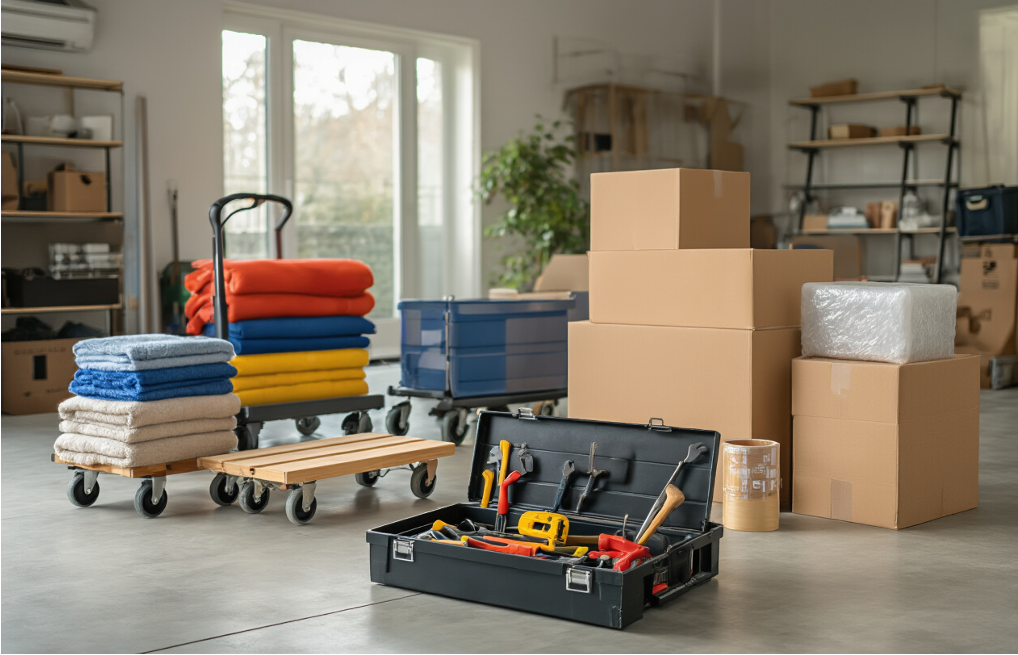
Must-Have Tools for Any Move
Moving day is chaos without the right gear. Don’t be that person struggling with a couch down three
flights of stairs using just your bare hands and determination.
First, invest in a proper dolly—your back will thank you. A utility dolly handles boxes while an appliance
dolly with straps tackles fridges and washers. These wheels make heavy items feel practically
weightless.
Next, get furniture sliders. These magical discs let you glide heavy pieces across floors without
scratching your hardwood or tearing carpet. Pop them under each corner and suddenly you’re moving a
dresser with one finger.
Stretch wrap is another game-changer. It keeps drawers shut during transport and protects upholstered
items from dirt and tears. Plus, it’s oddly satisfying to wrap things up like a giant sandwich.
A good tool kit is non-negotiable. You’ll need:
- Screwdrivers (both Phillips and flathead)
- Adjustable wrench
- Hammer
- Measuring tape
- Box cutter
Lastly, grab moving straps that redistribute weight to stronger body parts. They’re basically superhero
gear for moving day.
Specialty Equipment for Awkward Items
Got a piano? Artwork? That weirdly shaped exercise machine? You need specialty gear.
Piano boards and skids are essential for moving these musical giants. They protect both the instrument
and your floors while providing stable support.
For artwork and mirrors, picture moving boxes are worth their weight in gold. They’re designed
specifically to prevent corner damage and shield glass.
Mattress bags are another must. They keep your mattress clean and dry during the move—nobody
wants to sleep on a mattress that’s been dragged across a parking lot or caught in rain.
For appliances, get an appliance dolly with straps and a refrigerator dolly that can handle the weight and
awkward dimensions.
Pool table? You’ll need specialized lifting equipment and disassembly tools. This isn’t amateur
hour—some items demand respect and proper equipment.
Tech Solutions for Inventory Management
Gone are the days of scribbled box labels and forgotten treasures.
Moving apps have revolutionized inventory management. Apps like Sortly let you photograph items,
create QR labels, and track exactly what’s in each box. When you desperately need your coffee maker
the morning after moving, you’ll know exactly which box to open.
Bluetooth trackers like Tile or Apple AirTags are brilliant for high-value items. Stick them on important
boxes or furniture and track their location in real-time.
Digital floor planners help visualize furniture placement before you move. Measure your new space,
input your furniture dimensions, and arrange virtually—saving your back from unnecessary furniture
shuffling.
Cloud storage for important documents means no more lost paperwork. Scan lease agreements, moving
contracts, and receipts so they’re accessible anywhere.
Some moving companies now offer real-time tracking of your moving truck. It’s like watching your pizza
delivery, but with all your worldly possessions.
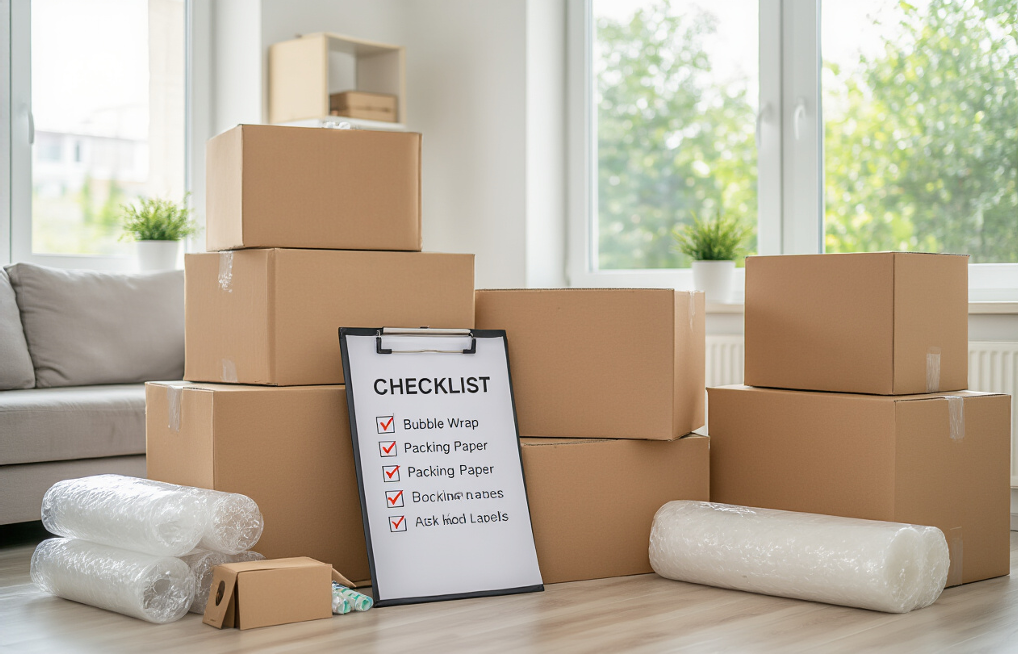
Packing Materials That Prevent Damage
The difference between broken dishes and intact ones? Using the right packing materials.
Dish packs have cell dividers that prevent items from touching. They’re worth every penny for keeping
glassware and china safe.
Packing paper beats newspaper—no ink transfer to clean off later. Crumple it, wrap with it, stuff boxes
with it. It’s the unsung hero of moving day.
Bubble wrap isn’t just fun to pop—it provides crucial protection for electronics, frames, and fragile items.
The larger the bubbles, the more protection for heavy items.
Wardrobe boxes with hanging rods are magic for clothes. They transfer directly from closet to box to
closet without wrinkles or folding.
Furniture pads and moving blankets shield corners and surfaces from inevitable bumps during transit.
They’re reusable and versatile—wrap furniture, pad boxes, or cover floors during the move.
Proper packing tape matters too—not all adhesives are created equal. Get tape designed for moving
boxes, not office supplies or crafts.
Rental Options vs. Purchasing Moving Gear
Why buy what you’ll only use once every few years?
Rental equipment makes financial sense for one-time moves. Most moving companies and hardware
stores rent dollies, furniture pads, and moving blankets at reasonable daily rates.
For frequent movers or property managers, purchasing equipment can be cost-effective long-term.
Quality moving equipment lasts for years when properly maintained.
Consider sharing costs with friends or neighbors planning moves. Split the purchase price and take turns
using the equipment.
Some companies offer bundle rentals with significant discounts—get dollies, straps, and pads together
for less than individual rentals.
The smartest approach? Rent the big-ticket specialty items and buy the consumables you’ll use
completely (boxes, tape, packing materials).
Strategic Packing Methods
Room-by-Room Organization Systems
Packing your entire home feels overwhelming until you break it down. Start with the rooms you use least– guest bedrooms, storage closets, and formal dining areas. These spaces can be packed weeks before
moving day without disrupting your daily life.
Create a simple inventory sheet for each room. Nothing fancy – just jot down what’s going where. This
becomes your roadmap when you’re standing in your new place wondering where you packed your
coffee maker.
Pro tip: Pack a separate “open first” box for each room containing essentials you’ll need immediately. For
the kitchen, this might be a coffee maker, mugs, and basic utensils. For bedrooms, include sheets and
towels.
Weight Distribution Techniques for Boxes
Ever tried carrying a box that’s heavier on one side? Total nightmare. The key is balance.
Place heavier items at the bottom, lighter stuff on top. This isn’t just about preventing crushed belongings– it’s about your back not hating you the next day.
For books (those sneaky weight culprits), use small boxes. Trust me, no one wants to lug a large box of
encyclopedias up three flights of stairs. Spread heavy items across multiple boxes rather than creating a
few back-breakers.
Quick check: If you can’t lift it comfortably, it’s too heavy. Aim for 30-50 pounds max per box.
Labeling Strategies That Streamline Unpacking
Color-coding isn’t just for office supplies. Assign each room a color, then mark boxes accordingly with
colored tape or stickers. Your movers will thank you when they can instantly see what goes where.
Beyond just writing “Kitchen” on a box, get specific:
- “Kitchen – Everyday Dishes”
- “Kitchen – Baking Supplies”
- “Bathroom – Medicine Cabinet”
Take photos of box contents before sealing them. When you’re desperate to find something specific,
you’ll have visual inventory at your fingertips instead of opening fifteen “miscellaneous” boxes.
Number your boxes (Kitchen 1/10, Kitchen 2/10) to immediately know if something’s missing. Nothing
worse than realizing box 7 never made it to your new place.
Planning Your Move Like a Pro

A. Timeline Creation: When to Start Each Moving Task
Moving day chaos? That’s what happens when you wing it. The pros start planning weeks—sometimes
months—ahead. Here’s your timeline breakdown:
8 Weeks Before:
- Book your movers (seriously, the good ones get booked fast)
- Start purging stuff you don’t need
- Create a moving budget
4-6 Weeks Before:
- Order packing supplies
- Start packing non-essentials
- Change your address with USPS
- Research schools, doctors in your new area
2-3 Weeks Before:
- Pack room by room (label everything!)
- Transfer utilities
- Schedule appliance disconnections
1 Week Before:
- Pack an essentials box
- Confirm details with movers
- Clean as you go
Moving Day:
- Keep important documents with you
- Do a final walkthrough
- Take meter readings
The secret? Work backward from your move date. Things always take longer than you think.
B. Digital Tools for Move Management
Gone are the days of sticky notes and forgotten details. Your phone can be your moving command
center.
These apps will save your sanity:
- Sortly: Inventory management with photos and QR labels
- MoveAdvisor: Creates a timeline and checklist based on your move date
- Updater: Changes all your addresses in one go
- Evernote: Stores receipts, contracts, and important notes
- TaskRabbit: Last-minute help when you’re overwhelmed
Google Sheets works wonders for budget tracking. Create columns for estimated vs. actual costs—you’ll
thank yourself later.
Cloud storage is non-negotiable. Scan and upload all moving documents, receipts, and contracts. When
the moving truck is packed and you can’t find that paper with your new address, you’ll be glad it’s in your
email.
C. Coordinating Multiple Service Providers
Managing movers, cleaners, painters, and utility companies feels like herding cats. But there’s a method
to the madness.
First, build a contact sheet with everyone’s info. Include:
- Company name
- Contact person
- Phone number
- Scheduled date/time
- Payment status
Schedule providers in the right sequence. Painters before movers. Cleaners after everything’s out. Cable
guy after you’ve moved in.
Buffer days are your best friend. Never schedule critical services back-to-back. That painter who runs
late will derail your entire plan otherwise.
Communication is key. Confirm with everyone a week before and again the day before. Don’t assume
they remember you or your specific needs.
D. Weather Contingency Planning
Mother Nature doesn’t care about your moving schedule. Rain, snow, extreme heat—they all complicate
things.
Summer moves? Start early before the heat kicks in. Have plenty of water on hand and consider fans for
your helpers.
Winter relocations need extra time. Everything takes longer in snow and ice. Salt walkways the night
before and have snow removal tools accessible.
For rain:
- Plastic mattress covers are essential
- Waterproof tarps for furniture
- Extra towels at entry points
- Plastic wrap for electronics
Always have Plan B locations for items that can’t sit in extreme temperatures (candles, electronics,
plants).
Check the forecast obsessively the week before. If severe weather threatens, call your movers to
discuss options. Most have policies for rescheduling weather-related delays without penalties.