

You’ve just signed a lease on a new place and now you’re staring at all your stuff, wondering how the
heck it’s going to transport itself across town. Spoiler alert: it won’t.
Moving ranks right up there with root canals on most people’s fun-o-meter. But unlike dental procedures,
you can actually make relocation painless with some strategic planning.
The difference between a moving nightmare and a smooth transition often comes down to what you do
weeks before the first box gets packed. Planning ahead for a stress-free relocation isn’t just good
advice—it’s your ticket to keeping your sanity intact.
What if I told you the most crucial moving decisions happen before you even touch a roll of packing
tape?
Start Planning Months in Advance

Create a comprehensive moving checklist
Moving without a checklist is like grocery shopping without a list – you’ll forget something important.
Trust me. Your checklist should break down every single task by timeframe: 8 weeks out, 4 weeks out, 2
weeks out, and so on. Include everything from booking movers to transferring utilities to changing your
address. The beauty of a checklist? You can cross things off (so satisfying) and never wonder if you’ve
forgotten something critical.
Set a realistic timeline with key milestones
Nobody – and I mean nobody – ever says, “Wow, that move took way less time than I expected!” Give
yourself more time than you think you need. For a typical household, start planning at least 3 months
before moving day. Mark key dates on your calendar: when to notify your landlord, when to schedule
utility disconnections, when to begin packing each room. Those milestone dates keep you accountable
and prevent that last-minute packing frenzy we’ve all experienced.
Research and compare moving companies early
The good moving companies book up fast, especially during summer months. Start collecting quotes at
least 8 weeks before your move. Don’t just go with the cheapest option – read reviews, check
credentials, and verify insurance coverage. Ask specific questions about how they handle fragile items or
bulky furniture. Getting this sorted early not only secures your preferred date but often saves money too.
Begin decluttering unnecessary possessions
Why pay to move stuff you don’t even want? Room by room, ruthlessly evaluate what deserves to make
the journey to your new home. That pasta maker you used once in 2018? Those jeans you’ll “fit into
someday”? The stack of magazines you’ll “read eventually”? Be honest with yourself. Sell valuable items
online, donate usable goods, and trash the rest. Less stuff means less packing, less unpacking, and a
fresh start in your new space.
Organize Your Belongings Efficiently

A. Create an inventory system for all items
Packing up your entire life into boxes is overwhelming. Trust me, I’ve been there. The solution? A simple
inventory system that’ll save your sanity.
Grab a notebook or use a spreadsheet app on your phone. List every major item you own by category:
furniture, electronics, kitchenware, clothing. Don’t sweat the small stuff like individual socks!
Number each box as you pack (Box 1, Box 2, etc.) and note which items go where. This isn’t just
busywork—when you’re standing in your new place wondering “where the heck is my coffee maker?”
you’ll thank yourself.
B. Pack room by room with clear labeling
Tackle one room at a time. Seriously. Jumping between rooms is the fastest route to chaos.
Start with rooms you use least (guest room, storage) and finish with daily essentials (kitchen, bathroom).
For each box, write:
- Room name
- Box number
- Quick contents list
Use big, bold markers so you can read labels from across the room. Your future self will high-five you
when the movers ask “where does this go?” and you can answer without hesitation.
C. Use color-coded boxes for easy identification
Color-coding isn’t just pretty—it’s practical. Assign each room a color:
- Kitchen: Blue
- Bedroom: Green
- Bathroom: Yellow
- Living Room: Red
You can use colored tape, stickers, or even buy boxes in different colors. This system works like magic
on moving day. Just tell helpers “all blue boxes go to the kitchen” and watch how smoothly things flow.
D. Photograph valuable items for insurance purposes
Before packing anything valuable, snap detailed photos. That antique lamp? The gaming setup? Your
grandmother’s china? Document everything.
Take close-ups of any existing damage or serial numbers. Store these photos in the cloud where you
can access them regardless of where your devices are packed.
If something breaks during the move, you’ll have proof of its condition for insurance claims. This small
step can save thousands in disputed claims.
E. Set aside essential items for immediate access
Pack a separate “first day” box with essentials you’ll need immediately:
- Toiletries and medications
- Phone chargers
- Clean sheets and towels
- Basic kitchen items (coffee maker, anyone?)
- Pajamas and change of clothes
Keep this box with you in your personal vehicle, not on the moving truck. Nothing’s worse than finishing
an exhausting moving day and digging through 50 boxes to find your toothbrush.
Budget Smartly for Moving Expenses
Get multiple quotes from moving services
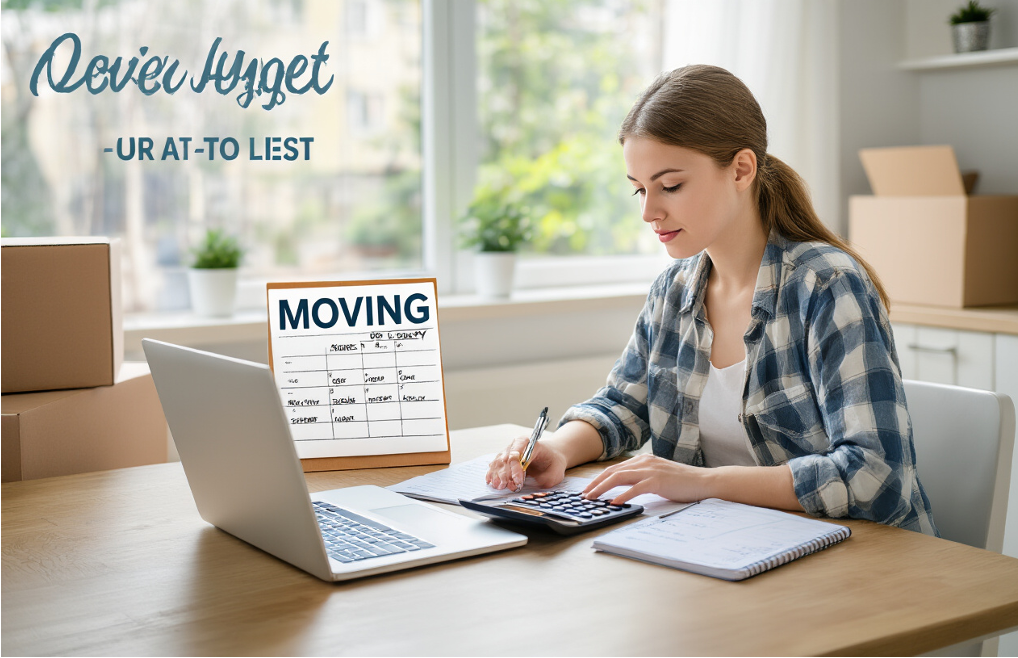
Moving costs can surprise you like that friend who shows up with 5 extra people to your dinner party.
Don’t just go with the first mover you find on Google. Get at least three quotes to compare prices.
And don’t just look at the bottom line. Some movers charge extra for stairs, heavy items, or long carries
from truck to door. Ask specifically: “What’s NOT included in this quote?” That’s where the real info lives.
Pro tip: Schedule in-home assessments whenever possible. A phone quote is about as reliable as your
weather app forecasting two weeks ahead.
Account for hidden costs like packing supplies
Think you’ll just grab some free boxes from behind the liquor store? Maybe. But you’ll also need:
- Packing tape ($3-5 per roll)
- Bubble wrap (more expensive than you’d guess)
- Markers for labeling ($5)
- Mattress bags ($10-20 each)
- Furniture blankets (rent or buy $10-15 each)
A family move can easily rack up $200-300 just in supplies. And that’s before considering specialty
boxes for TVs, art, or dishes.
Create a buffer fund for unexpected expenses
The moving gods demand tribute. Always.
Even perfect planners get blindsided by:
- Last-minute storage needs
- Hotel stays if closing dates shift
- Replacement items for things that break
- Take-out food (because who can cook during a move?)
Set aside 15-20% of your total moving budget as buffer money. If you don’t use it, great! Housewarming
party funds.
Consider timing your move for cost savings
Moving companies aren’t dumb. They charge premium rates when demand peaks:
- End/beginning of months
- Summer (especially June-August)
- Weekends
- Holidays
Mid-month, mid-week moves in fall or winter can save you 20-30% instantly. Moving on a Tuesday in
February might feel weird, but your wallet will thank you.
Handle Administrative Tasks Ahead of Time
A. Update your address with important institutions
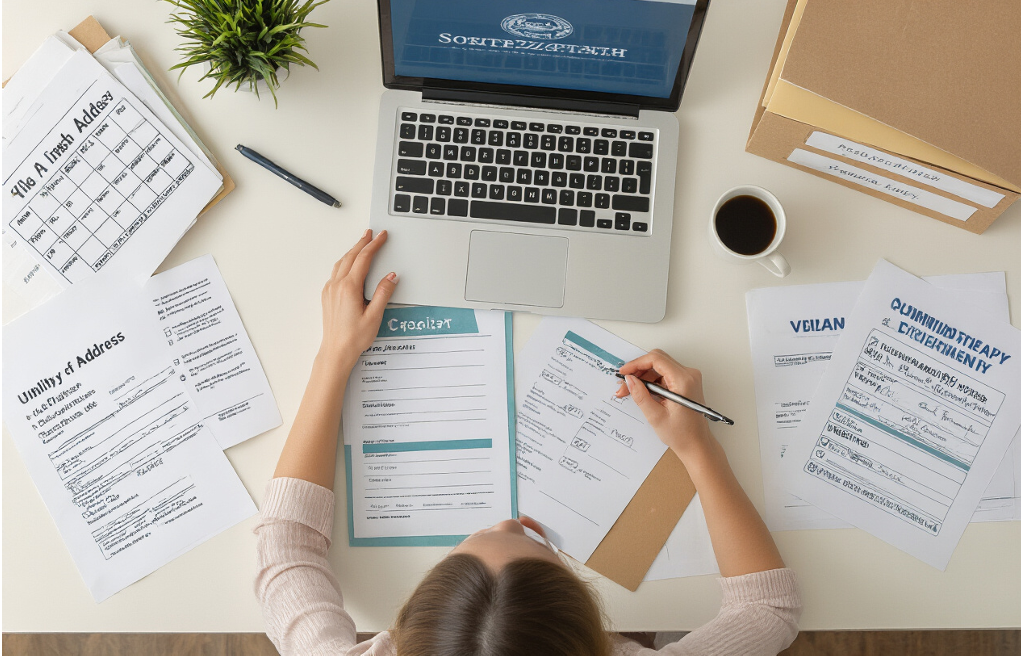
Moving day is chaotic enough without the nightmare of missing bills or important mail. At least two weeks
before you move, create a master list of everyone who needs your new address.
The usual suspects include:
- Your bank and credit card companies
- The DMV (don’t forget to update your driver’s license!)
- Insurance providers
- Your employer’s HR department
- Subscription services
- Tax agencies
Pro tip: The USPS mail forwarding service is a lifesaver, but it’s temporary. Take 30 minutes to knock out
those permanent address changes online and save yourself months of headaches.
B. Transfer utilities and services to your new home
Nobody wants to arrive at their new place to find no electricity, water, or Wi-Fi. Talk about a mood killer!
Call your current utility providers about a week before moving to schedule disconnection dates. Then
reach out to providers in your new area to set up service.
Don’t forget these essentials:
- Electricity
- Water
- Gas
- Internet/cable
- Trash collection
Tip: Some companies need several days’ notice, especially internet providers. Don’t leave this until the
last minute!
C. Gather important documents in one secure place
The last thing you need is to frantically search through boxes for your kid’s birth certificate or your
marriage license.
Create a “moving essentials” folder (physical or digital) containing:
- Birth certificates and social security cards
- Marriage/divorce papers
- Medical and dental records
- School transcripts
- Financial documents
- Property records
- Pet vaccination records
Keep this folder with you during the move, not packed away in some random box.
D. Research schools, healthcare, and amenities in your new area
Showing up completely clueless about your new neighborhood is a recipe for stress.
Before moving day, research:
- School districts and registration requirements
- Nearby healthcare providers accepting your insurance
- Local pharmacies
- Grocery stores and restaurants
- Parks and recreational facilities
- Public transportation options
Reach out to potential healthcare providers early—many doctors have waiting lists for new patients.
E. Arrange for necessary insurance coverage
Insurance gaps can be financially devastating. Review your current policies and determine what needs
updating or replacing.
Make sure to check:
- Homeowner’s/renter’s insurance
- Auto insurance (rates often change by location)
- Health insurance network coverage
- Life insurance beneficiary information
Call your insurance agents at least two weeks before moving. Some policies require advance notice for
changes, and you definitely don’t want to be caught without coverage during the move itself.
Prepare for Moving Day

Pack an essentials box for the first 24 hours
Moving day chaos is real. You’ll arrive at your new place exhausted, surrounded by boxes, and suddenly
realize you have no idea where your toothbrush is. Nightmare, right?
An essentials box is your lifeline. Pack it with everything you’ll need for that first night and morning:
- Toiletries (toothbrushes, soap, shampoo, medications)
- Phone chargers (because panic sets in at 10%)
- Clean sheets and towels
- Pajamas and a change of clothes
- Basic kitchen items (coffee maker, mugs, paper plates)
- Snacks that don’t need refrigeration
- Important documents and valuables
- Basic tools for furniture assembly
Pro tip: Make this the LAST box on the truck so it’s the FIRST one off.
Create a floor plan for furniture placement
Trust me, you don’t want to be shoving your couch around at midnight.
Grab a measuring tape and sketch out where major furniture pieces will go before moving day. This
simple step saves hours of frustration and potential wall scuffs.
Take measurements of:
- Your furniture pieces
- Doorways and hallways (to ensure everything fits through)
- Wall spaces in your new place
Your movers will thank you for the clear direction, and you’ll thank yourself when you’re not rearranging
furniture at 11pm.
Arrange for childcare or pet care if needed
Moving day is stressful enough without worrying about your toddler opening boxes or your cat making a
break for it.
Kids and pets + moving day = pure chaos. Find a trusted friend, family member, or professional sitter to
keep them safe and happy elsewhere during the most hectic hours.
For pets specifically:
- Pack a separate pet essentials bag
- Consider boarding for extremely anxious animals
- Update ID tags with your new address
Prepare snacks and refreshments for movers
Your movers are doing serious physical labor. Keeping them fueled shows appreciation and honestly,
might get your stuff handled with extra care.
Stock a cooler with:
- Bottled water (lots of it)
- Sports drinks for electrolytes
- Easy-to-grab snacks like granola bars
- Maybe some sandwiches if it’s a long day
This small gesture costs little but says a lot. Plus, well-fed movers work faster and happier. It’s a win-win.
Settle Into Your New Home With Ease

A. Prioritize unpacking essential rooms first
You just moved in and you’re staring at a mountain of boxes. Don’t panic! Start with the rooms you’ll
need immediately – usually the kitchen, bathroom, and bedroom.
Your kitchen should be first on the list because everyone needs to eat. Unpack your coffee maker, a few
dishes, and essential cooking tools. Nothing worse than searching through boxes at 7 AM when you
desperately need caffeine.
For the bathroom, get your shower curtain up, towels out, and toiletries unpacked. Trust me, after a long
day of moving, a hot shower without having to dig through boxes is pure bliss.
Your bedroom deserves early attention too. Make your bed with fresh sheets – you’ll thank yourself when
you’re exhausted at the end of the day and just want to collapse somewhere comfortable.
B. Meet neighbors and explore your new community
The moving trucks are gone, and now’s the perfect time to venture out. Take a walk around the block
and say hello when you see neighbors outside. A simple “Hi, I just moved in at 123 Oak Street” works
wonders.
Find the closest grocery store, pharmacy, and coffee shop. These will be your lifelines in the first few
weeks.
Check community bulletin boards (physical or online) for local events. Farmers markets, street fairs, or
community meetings are great places to meet people and get a feel for your new neighborhood.
C. Establish new routines quickly
Humans are creatures of habit. The faster you create new routines, the sooner your new place will feel
like home.
Start with your morning ritual. Whether it’s your coffee spot or jogging route, establishing these patterns
helps your brain adjust to the change.
If you have kids or pets, set up their routines first. They’ll settle in faster with structure, which makes
everyone’s life easier.
Map out your commute to work and do a practice run before your first day. Nothing adds stress like
getting lost on your way to a new job.
D. Host a housewarming gathering to celebrate
Once you’ve unpacked the essentials (not everything – nobody expects perfection), invite friends, family,
or new neighbors over for a casual housewarming.
Keep it simple. Pizza and drinks work perfectly. The point isn’t to impress with your decorating skills; it’s
to fill your new space with laughter and positive energy.
A housewarming party also creates a deadline for unpacking those public spaces like your living room.
Nothing motivates organizing like knowing people will see your space!
Take photos of this first gathering. Years later, you’ll love looking back at how your home journey began.

The journey of relocation doesn’t need to be overwhelming when approached with proper planning and
organization. By starting your preparations months in advance, efficiently organizing your belongings,
and establishing a realistic moving budget, you set yourself up for success. Handling administrative
tasks early, preparing thoroughly for moving day, and having a strategy for settling into your new home
all contribute to a smoother transition.
Remember that a stress-free move is within your reach when you break down the process into
manageable steps. Take control of your relocation by planning ahead, staying organized, and
maintaining a positive mindset throughout the journey. Your future self will thank you for the time and
effort invested in creating a seamless moving experience.